

What Is Habeas Corpus? Could the U.S. Suspend Habeas Corpus? Here’s What You Should Know


On Friday, top White House adviser Stephen Miller floated an alarming possibility: the Trump administration might consider suspending habeas corpus. That phrase might sound like complicated legal jargon, but it’s one of the most important legal protections Americans have. And removing it could change the course of justice in a huge way.
So what does this actually mean, and why should we be paying close attention?
What Is Habeas Corpus and Why Does It Matter?
Habeas corpus is a Latin term that translates to “you shall have the body.” But in legal terms, it means something much bigger. It’s a person’s right to be brought before a court if they are detained. In other words, if you’re arrested or held by the government, habeas corpus is what makes sure you get a fair chance to argue your case in court.

Without this right, the government could lock someone up and never explain why. The court is the check on that power. If your detention has no legal basis, the court can order your release.
It’s a cornerstone of liberty. The idea is simple: no one should be imprisoned without good reason and a fair trial.

What Happens If Habeas Corpus Gets Suspended?
Suspending habeas corpus means the government could detain people without filing any charges or giving them a chance to see a judge. It could lock someone up indefinitely without needing to prove they broke the law.
That’s not just scary. It’s a dangerous path that removes one of the oldest legal protections in American democracy.
Here’s what the consequences could look like:
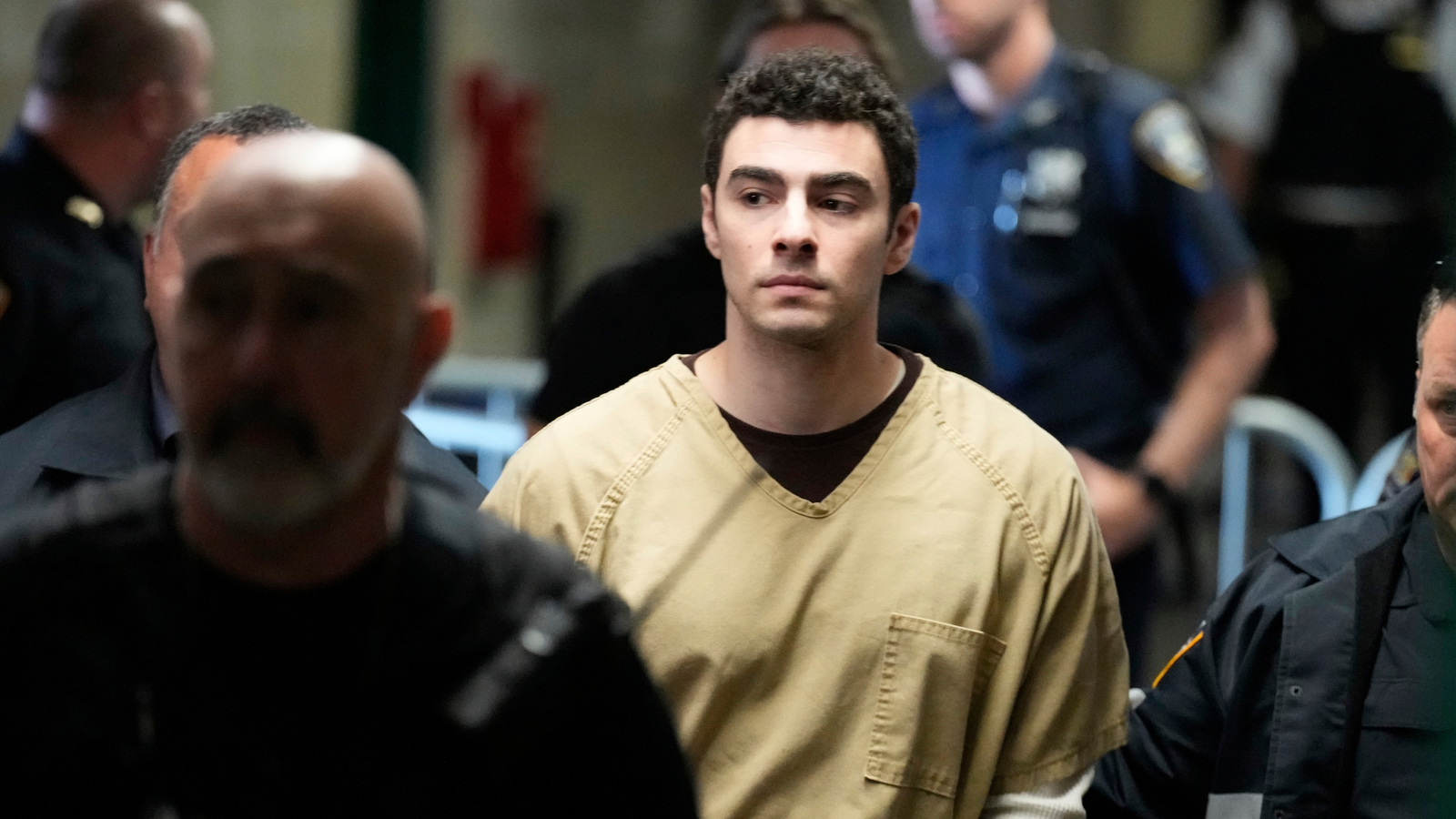
- No due process: People could be held without knowing why, and without a way to argue against it.
- Political abuse: Leaders could use it to target opponents or protestors.
- Unlawful detentions: Without court review, mistakes or biased decisions could go unchecked.
- Public fear: Trust in the justice system would take a serious hit.
When Can the U.S. Legally Suspend Habeas Corpus?
The U.S. Constitution includes what’s known as the Suspension Clause. It says:
“The Privilege of the Writ of Habeas Corpus shall not be suspended, unless when in Cases of Rebellion or Invasion the public Safety may require it.”
That’s it. Only in rebellion or invasion can this right be taken away. It’s not supposed to be used lightly or for political convenience.
Historically, this power has been used very rarely:
- During the Civil War: President Abraham Lincoln suspended habeas corpus to deal with Confederate sympathizers.
- Fighting the KKK in South Carolina (1871): President Ulysses S. Grant used it to crack down on racial violence.
- In the Philippines (1905): During unrest under U.S. occupation.
- After Pearl Harbor (1941): In Hawaii, when martial law was declared.
These were times of extreme crisis. And even then, the use of this power was hotly debated.
Is the U.S. Facing Rebellion or Invasion Right Now?
That’s where the legal argument gets shaky.
Stephen Miller said the Trump administration is “actively looking at” suspending habeas corpus in response to immigration concerns, especially involving people from Venezuela. The claim is that there is an “invasion” at the border.
But multiple federal judges, including one appointed by Trump, have rejected this claim. They ruled that the current immigration situation does not meet the standard of an actual invasion.
This matters because without a real invasion or rebellion, suspending habeas corpus would be unconstitutional.
Why Is This So Concerning?
It’s not just about legal theory. Suspending habeas corpus would give the executive branch massive power over who gets detained and for how long. It would take away a vital role of the courts in checking that power.
Here’s why you should care:
- Rights are at stake: Without habeas corpus, anyone could be held without a trial.
- Power becomes unchecked: Leaders could detain critics or immigrants without oversight.
- It sets a dangerous precedent: If it happens now, what stops it from happening again under different excuses?
This would be a dramatic escalation in executive power and a serious blow to the rule of law in the United States.
Could the Courts Stop It?
Yes, but it wouldn’t be easy. Any attempt to suspend habeas corpus would go through legal challenges. The courts would have to decide:
- Is there an actual invasion or rebellion?
- Is suspending habeas corpus necessary for public safety?
- Is the government applying it fairly?
But even the process of fighting this in court would take time. And during that time, people could be held without charge.
Why This Matters More Than You Think
Habeas corpus is not just a legal rule. It’s a lifeline for justice. It’s what protects regular people from being thrown into jail without cause.
The Trump administration’s suggestion to suspend it is not just a headline. It’s a warning sign. Suspending habeas corpus without a true national emergency could erode key parts of American democracy and give any future president the playbook for silencing dissent.
As citizens, we need to stay informed and aware. Because once fundamental rights are lost, they are hard to get back.
What do you think? Should habeas corpus ever be suspended outside of war or rebellion?
Popular Categories
Previous article

Next article
