The Importance of Restaurant Cleaning for Health and Safety

Establishments that serve food carry a significant responsibility: maintaining environments where patrons can dine without worrying about hidden germs or cross-contamination. Any lapse in sanitation can lead to adverse health outcomes, tarnished reputations, and even potential legal repercussions. According to the Centers for Disease Control and Prevention (CDC), an estimated 48 million Americans contract foodborne illnesses each year, demonstrating the urgent need for rigorous cleaning protocols in restaurants.
“Cleanliness and order are not matters of instinct; they are matters of education, and like most great things, you must cultivate a taste for them.” – Benjamin Disraeli
This guiding principle highlights that high standards of sanitation and cleanliness require systematic approaches rather than haphazard efforts. Throughout dining areas, kitchens, restrooms, and storage rooms, meticulous attention to detail supports both customer satisfaction and staff efficiency.
How Cleanliness Affects Reputation
Diners typically form initial impressions within moments of stepping through the entrance. Lingering odors, sticky surfaces, or neglected restrooms can color perceptions immediately. In today’s digital age, negative experiences often lead to swift online reviews that may deter future clientele. By contrast, an impeccably maintained location stands out as inviting and professional, encouraging new and returning visitors to feel at ease.

Building Customer Trust
Transparency about cleaning practices—from sanitized counters to fresh tableware—cultivates a sense of trust between operators and their guests. In fact, a recent poll by the National Restaurant Association revealed that 87% of respondents consider visible cleanliness a key factor when choosing where to eat. Spotless conditions signal that health and safety receive top priority, reassuring diners they’ve made a sound decision.
Motivating Staff Performance
Team members who work amid uncluttered stations and sanitized tools can focus on food quality rather than constant distractions. Employees also appreciate well-maintained break areas and restrooms, which boosts morale. A consistently neat environment enables smoother communication and reduces operational bottlenecks, ultimately improving the overall experience for everyone involved.

Key Areas to Prioritize
Cleaning protocols in restaurants extend beyond wiping down tables. Ensuring that every surface remains hygienic requires strategies that address numerous challenges, including lingering grease and hard-to-reach crevices.
- Restrooms
Disinfecting sinks, toilets, and handles prevents bacterial buildup that could spread to dining or kitchen areas. Regular stocking of soap, paper towels, and tissues minimizes cross-contamination risks. - High-Touch Surfaces
Door handles, condiment dispensers, and point-of-sale terminals see frequent contact. Consistent sanitizing of these spots wards off germs and viruses. - Flooring and Carpets
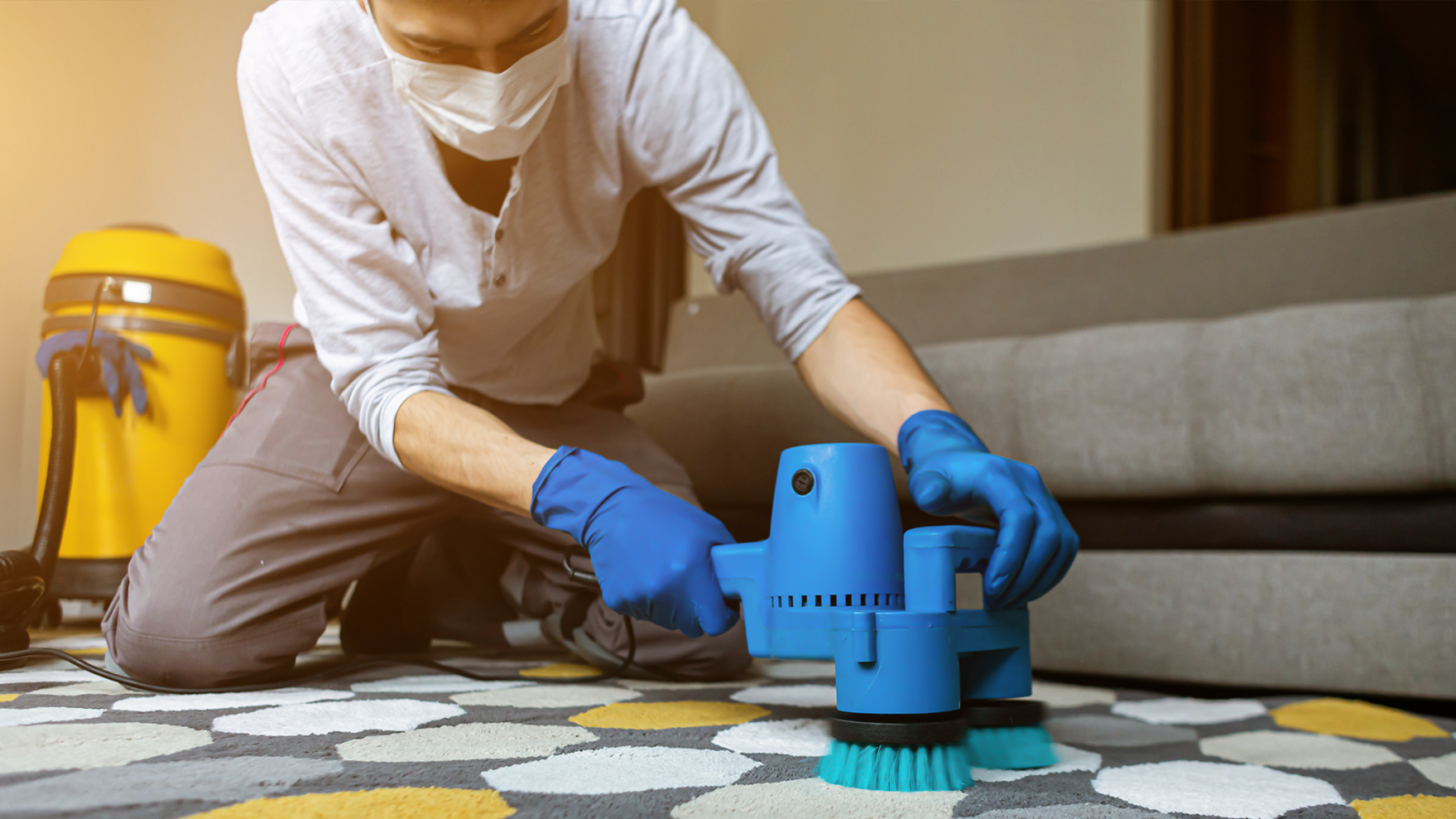
Foot traffic tracks in dirt, debris, and moisture. Routine sweeping, mopping, and vacuuming keep these elements at bay, reducing slips or unpleasant odors. - Storage Zones
Walk-in coolers and pantries must be kept free from mold or expired products. Clear labeling systems and periodic inspections sustain optimal conditions.
“Excellence is in the details. Give attention to the details and excellence will come.” – Perry Paxton
Observing these details safeguards both public and behind-the-scenes areas, forming the backbone of a trustworthy establishment.
Front-of-House Essentials
Although cooking operations happen out of sight, diners do notice the cleanliness of floors, window sills, and table settings. Even decorative elements like wall art and light fixtures collect dust over time. A regular schedule for dusting, polishing glass, and vacuuming corners helps preserve a fresh and inviting feel.

- Greeting and Waiting Areas
Walls, rugs, and upholstered seats accumulate lint or stains. Prompt attention to spills and debris maintains a professional appearance. - Table Setup
Sparkling silverware and pristine glassware immediately convey attention to detail. Ensuring linens remain stain-free sets a tone of refinement. - Trash and Recycling Bins
Overfilled or foul-smelling receptacles detract from an otherwise spotless dining room. Timely emptying and sanitizing bins protect diners from unpleasant odors.
Back-of-House Guidelines
Hidden areas hold the greatest potential for contamination. Grease buildup under stoves, unkempt walk-in refrigerators, and disorganized storage cabinets can facilitate bacterial growth. To keep everyone safe, these areas require thorough checklists and daily upkeep.
Kitchen Station Management
- Pre-Service Setup
Wiping counters with food-safe sanitizers prevents cross-contamination before meal preparation starts. - During Service
Frequent handwashing, proper cutting board usage, and immediate removal of dirty utensils reduce the likelihood of harmful pathogens spreading. - Post-Service Cleanup
Clearing grills, ovens, and vent hoods at the end of each shift extracts grease residue that might become a fire hazard or harbor bacteria.
Maintaining Appliances and Tools
- Refrigeration Units
Temperature logs help confirm consistent cooling, while sealing containers keeps odors and spills in check. - Dishwashers
Filters and spray arms must be free from debris. Periodic descaling sustains their efficacy and extends their operational lifespan. - Cutlery and Cookware
Stainless steel items benefit from polishing and drying techniques that prevent rust or unsightly water spots.
Statistics Supporting Rigorous Cleaning
A study published by the Food Safety Magazine suggested that nearly 60% of reported outbreaks are linked to poor hygiene practices in commercial kitchens. Keeping each workstation spotless not only prevents these incidents but also safeguards the reputation of a business. Guests are likely to return if they feel confident about the establishment’s commitment to their well-being.
Bulleted summary of critical stats:
- 48 million: Approximate annual count of Americans experiencing foodborne illnesses (CDC).
- 60%: Proportion of outbreaks tied to substandard hygiene in hospitality venues (Food Safety Magazine).
- 87%: Diners who prioritize visible cleanliness when choosing a restaurant (National Restaurant Association).
These figures highlight the measurable consequences of inadequate sanitization and the perks of sustaining the highest standards.
Practical Steps to Reinforce Sanitation
- Document a Cleaning Schedule
Structured routines reduce guesswork and ensure that each area receives the necessary attention. - Conduct Staff Training
Educating workers on safe practices transforms good intentions into reliable actions. - Perform Spot Checks
Periodic inspections by management or third-party auditors keep everyone accountable. - Invite Feedback
Suggestion boxes or discreet surveys encourage patrons to voice concerns about cleanliness. - Use Clear Signage
Posting handwashing reminders or labeling cleaning supplies fosters seamless compliance.
Following these steps creates a unified approach, streamlining daily tasks so they never feel insurmountable.
Additional Resource for Enhanced Practices
Dining venues aiming to raise the bar on cleanliness can Read the full article to uncover practical methods and insights aligned with evolving industry standards. This kind of information reinforces that sustained hygiene is not a luxury but rather an essential part of any successful operation.
Efforts to uphold meticulous sanitation instill confidence among guests, enabling them to focus on savoring flavors without worrying about hidden pitfalls. Equally, staff members reap the benefits of healthier, more organized workplaces where collaboration thrives. By showcasing pristine surroundings, an establishment signals readiness to deliver superior dining experiences grounded in safety and quality.
Final Thoughts
No detail is too small when it comes to protecting diners from illness and preserving a spotless public image. Even seemingly minor oversights—like forgetting to sanitize a shared condiment bottle—can ripple outward in unexpected ways, tarnishing both credibility and repeat business. Systematic, proactive cleaning remains the frontline defense against these issues, reflecting a broader dedication to excellence.
“Quality is everyone’s responsibility.” – W. Edwards Deming
Endorsing top-notch hygiene practices at every level can help restaurants stand out in a competitive market. From the front lobby’s inviting ambiance to the unseen spaces behind kitchen doors, maintaining spotless surroundings upholds the promise of safety while leaving a positive, lasting impression. Diners ultimately taste not just meals, but the care embedded in every inch of the environment—a testament to unwavering commitment, conscientious planning, and pride in delivering memorable experiences.Copy textCopy HTML
Popular Categories
Previous article
Next article